
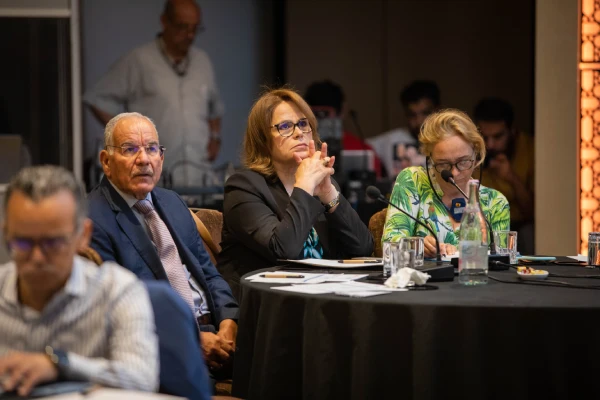
Building Youth Resilience and Preventing Radicalization...
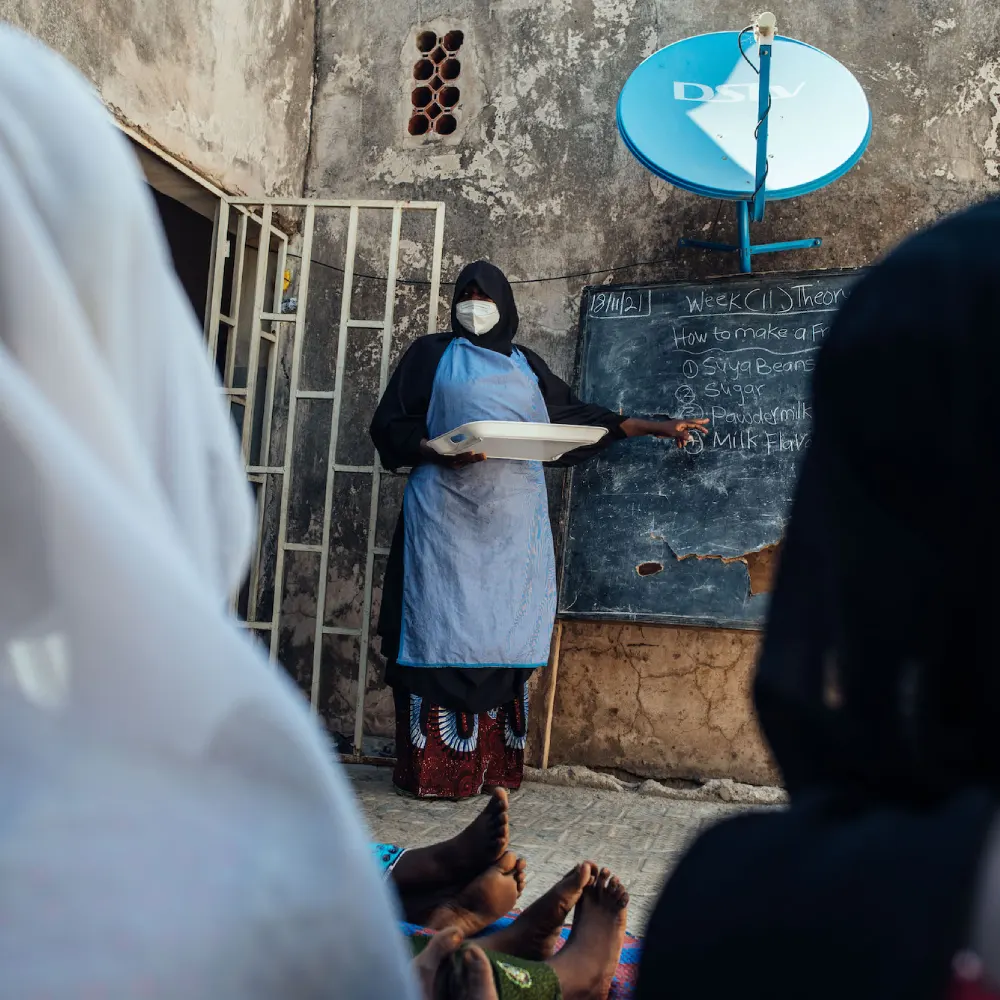
Learn moreAs extremist groups increasingly exploit digital platforms to spread disinformation, hate speech, and propaganda, youth have become especially vulnerable to online radicalization. To address this growing concern, Hedayah, in partnership with Tunisia’s Counter-Terrorism Commission (CNLCT) and with funding from the United Kingdom’s Foreign, Commonwealth and Development Office, launched a national program in 2024 to strengthen […]
19 May 2025
Community ResilienceExtremist Ideologies and Technology
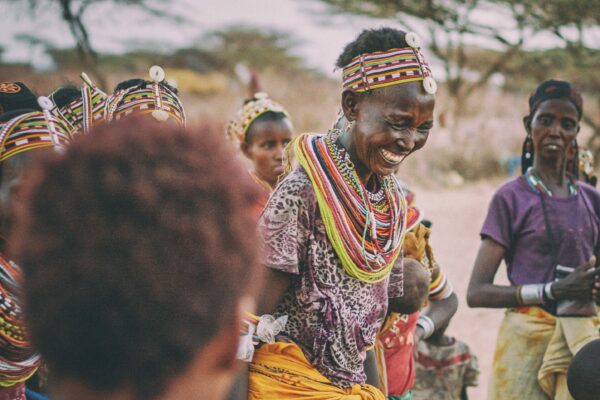
The Counter-Terrorism Fly Team Rehabilitation and...
Learn moreThe Fly Team is an innovative global initiative launched in December 2023 by Hedayah, in partnership with the U.S. Department of State’s Bureau of Counterterrorism. It is designed to support countries of origin in successfully rehabilitating and reintegrating returning foreign terrorist fighters and their families. As the international community navigates the growing challenges of repatriating […]
19 May 2025
Rehabilitation and Reintegration
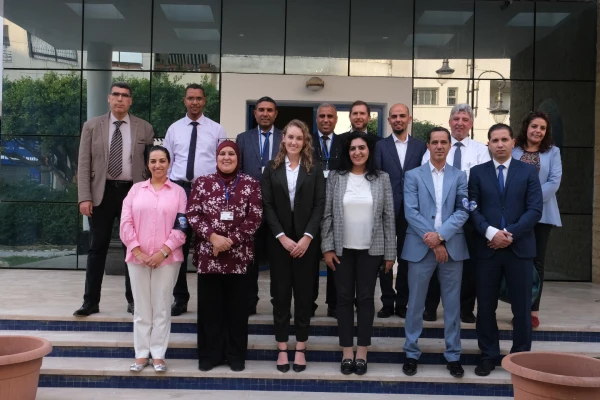
Rehabilitation and Reintegration of Women and...
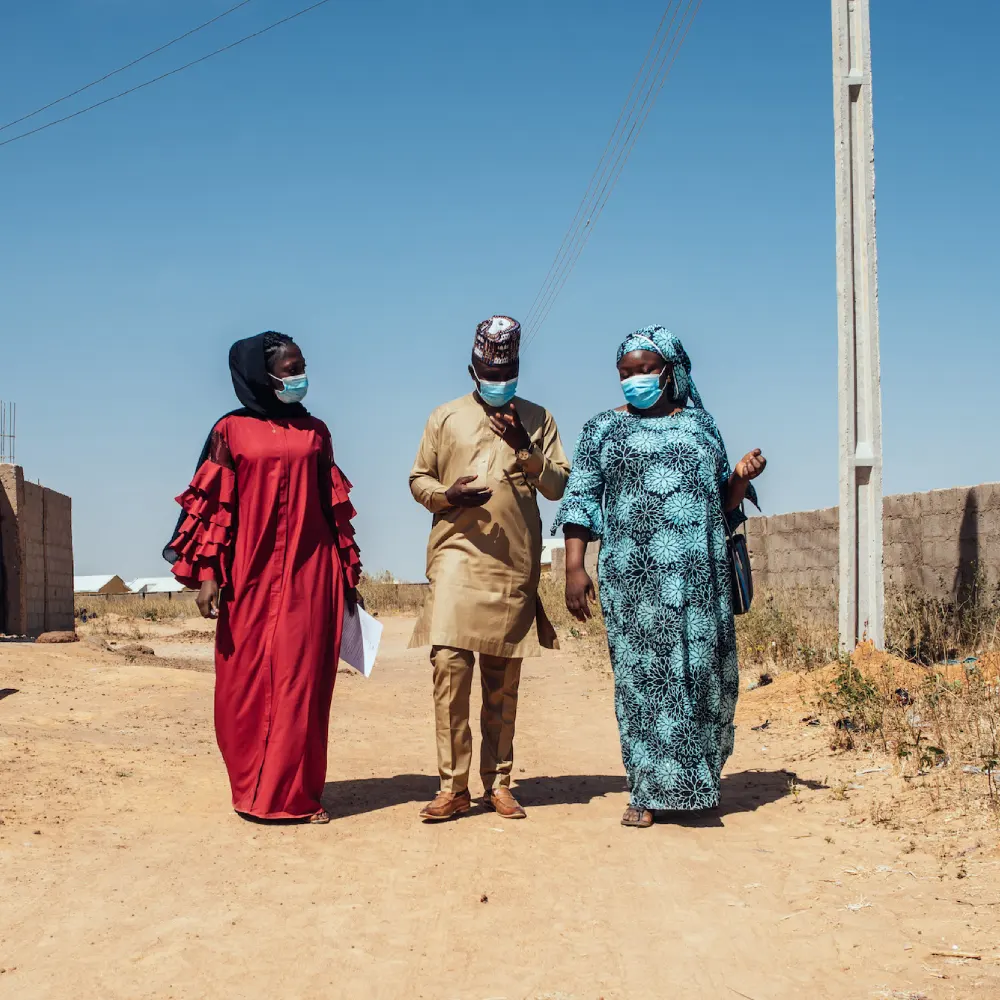
Learn moreWomen and children affected by extremism and violent extremism, particularly those returning from conflict zones and those whose spouses have been implicated in terrorist-related offences, face some of the most complex challenges in their rehabilitation and reintegration journeys. In response, and with the generous funding from the United Kingdom’s Foreign, Commonwealth and Development Office (FCDO), […]
19 May 2025
Rehabilitation and Reintegration